
Urgent & Emergency Vet Care in North Richland Hills
When your pet needs help now, Cornerstone Animal Hospital in North Richland Hills, TX is here. Our doctors and staff are trained in emergency and critical care medicine and ready to treat sudden illness and injury with fast, compassionate care. Please call ahead so our team can prepare for your arrival.
Compassionate Care for Pets, Peace of Mind for You
We combine advanced veterinary medicine with heartfelt compassion to deliver the personalized care every pet deserves.

About Us
At Cornerstone Animal Hospital, your pet will have access to some of the most advanced diagnostic equipment and procedures.
Read More
New Patients
Here you’ll find everything you need about Cornerstone Animal Hospital and how we can help you.
Read More
Services
Cornerstone Animal Hospital is pleased to be able to serve North Richland Hills and the surrounding communities.
Read More
Welcome To Cornerstone Animal Hospital
Cornerstone Animal Hospital is pleased to serve North Richland Hills, Keller, Colleyville and Southlake. It is our goal at Cornerstone Animal Hospital to provide the very best veterinary care to your pets as our patients. Our doctors and hospital staff strive to continue their education to bring you the highest quality care available. We also want you and your pets to feel comfortable while in our office.
Our philosophy is to care for all pets as if they were ours. To us, this means we are going to give them the same love, attention, and care as though we were their owner. We are a team of animal lovers here to give our patients the attention and care they deserve.
Dr. Mathew Thomas is a licensed veterinarian with over 30 years of extensive veterinary clinical experience. He graduated from veterinary school in India and received his DVM from Iowa State University. He has been practicing both general and emergency veterinary medicine and performing surgeries on pets in the Dallas/Fort Worth Metroplex for the past 15 years.
We are also here for you! We know that being a pet owner can be challenging and scary. We want to give your pets the lives they deserve. We know the best way to do that is to help you.
So don’t be hesitate to call us here at (817) 514-8387. We can answer any questions you may have.
Our Services
Emergency Care at Cornerstone Animal Hospital

Emergency Care in North Richland Hills
When your pet is hurt or suddenly sick, every minute counts. The veterinary team at Cornerstone Animal Hospital is trained in emergency and critical care medicine and ready to provide fast, compassionate treatment the moment you walk through our doors.
Request an AppointmentPets can’t tell us when something is wrong, which is why it’s important to recognize the warning signs of a true emergency and act quickly. Our hospital is equipped to handle a wide range of urgent medical conditions, from sudden illness to trauma, and our doctors will walk you through every step of your pet’s treatment.
We provide care for urgent medical conditions including acute vomiting and diarrhea, Parvo virus, respiratory distress, and diseases of the heart, kidneys, or liver. We also manage emergencies requiring hospitalization and close monitoring, such as seizures, pancreatitis, diabetes, diabetic ketoacidosis (DKA), and toxic exposures. If your pet has gotten into something they shouldn’t have, our pet poisonings page has more information on common household toxins.
If your pet experiences an emergency during business hours, call us or come straight in. We’re your neighborhood clinic and will do everything possible to provide prompt, thorough care. For after-hours emergencies, we partner with reputable 24/7 emergency hospitals in the area to ensure your pet gets continuous care and a smooth transition for follow-up if needed.
What Are Emergency Situations Needing Immediate Veterinary Care?
- Sudden collapse or unconsciousness
- Difficulty breathing, persistent coughing, or gagging
- Choking or blocked airways
- Refusal to eat or drink for more than 24 hours
- Ingestion of foreign objects (e.g., bones, socks, coins)
- Animal bites or lacerations
- Severe or uncontrolled bleeding
- Bleeding from nose, mouth, rectum, urine, or coughing up blood
- Inability or pain while urinating or defecating
- Eye injuries or trauma
- Ingestion of toxins (e.g., antifreeze, chocolate, xylitol, grapes, rodent bait)
- Seizures, disorientation, or staggering
- Fractures, severe limping, or inability to walk
- Signs of intense pain or anxiety
- Heatstroke or heat stress
- Severe vomiting or diarrhea (more than 2 times in 24 hours, or with other illness signs)
Emergency Surgery
Should your pet require emergency surgery, our hospital is fully equipped to provide advanced surgical care. All patients are closely monitored throughout the procedure and recovery process to ensure safety and comfort. Our surgical team also performs scheduled pet surgery and orthopedic surgery, so pets who need follow-up procedures can continue care with a familiar team.
Common emergency surgeries performed at Cornerstone Animal Hospital include:
- Foreign body removal from stomach or intestines
- Abdominal exploratory surgery
- Cesarean section (C-section)
- Pyometra (uterine infection) surgery
- Splenectomy (spleen removal)
- Gastric dilation and volvulus (GDV or twisted stomach)
- Perineal urethrostomy (PU) for blocked male cats
- Emergency tracheostomy for respiratory distress
- Wound and laceration repair
- Eye repair or removal (in cases of eye displacement)
- Amputation of limbs or digits for trauma or cancer
- Many other emergency procedures as needed
Fast, accurate diagnostics are critical in an emergency. Our on-site laboratory services, digital x-ray, and ultrasound allow our doctors to identify the problem quickly so treatment can begin without delay. Pets who need extended monitoring after stabilization move to our hospitalization and patient care unit.
After-Hours Emergency Care
We provide emergency services during regular business hours. If an emergency occurs after-hours, we recommend contacting one of the following trusted emergency hospitals:
Animal Emergency Hospital of North Texas
Phone: (817) 410-2273
2700 West State Hwy 114, Grapevine, TX 76051
Airport Freeway Animal Hospital
Phone: (817) 571-2088
833 West Airport Freeway, Euless, TX 76040
For more information about emergency care, please call us at (817) 514-8387.
How do I know if my pet’s situation is an emergency?
Signs like collapse, difficulty breathing, uncontrolled bleeding, repeated vomiting or diarrhea, seizures, or ingestion of a toxic substance all warrant immediate veterinary attention.
What should I do if my pet ingests something toxic?
Call our office immediately at (817) 514-8387. Try to identify what was ingested and how much, and bring the packaging with you if possible.
Do you treat emergencies after hours?
We provide emergency services during our regular business hours. After hours, we recommend contacting a trusted local 24/7 emergency animal hospital.
Can you perform emergency surgery on-site?
Yes, our hospital is fully equipped for emergency surgical procedures, including foreign body removal, GDV surgery, and wound repair, with close monitoring throughout recovery.
What happens after my pet is stabilized?
Pets who need continued monitoring are moved to our hospitalization unit, where our team tracks their recovery closely until they’re ready to go home.
Should I call ahead before bringing in an emergency?
Yes, calling ahead lets our team prepare for your pet’s arrival so we can begin treatment as quickly as possible.
Do you offer diagnostic imaging for emergency cases?
Yes, we have on-site x-ray, ultrasound, and lab diagnostics so our doctors can quickly identify the cause of your pet’s emergency and start treatment right away.
Dental X-rays in North Richland Hills

Dental X-Rays in North Richland Hills
Here at Cornerstone Animal Hospital, we are proud to be able to offer our clients dental radiology. It is our goal to stay on top of all medical advances, especially in veterinary medicine, so our hospital can be at the top of the game.
Request an AppointmentOne way we do this is by offering digital dental radiographs. Taking radiographs during dental procedures allows veterinarians to correctly diagnose dental problems. It allows us to look inside your pet’s teeth and see their oral cavities. Digital dental radiographs allow us to decide which teeth need to be pulled and which are healthy enough to stay. They also help us decide if owners need to do more for their pets at home.
Why Dental X-Rays Matter
Much of a pet’s dental disease happens below the gumline, where it can’t be seen during a routine visual exam. Digital dental radiographs let us evaluate root health, detect hidden infections, and identify bone loss that would otherwise go unnoticed until the problem became severe.
Fast, Safe Results
Digital radiographs are very safe and effective. We will be able to view the radiographs just seconds after they are taken, so they are an invaluable diagnostic tool during dental cleanings. This lets our veterinarians make informed decisions in real time while your pet is already under anesthesia, avoiding the need for a second procedure. Dental X-ray findings are also useful alongside our general X-ray imaging when evaluating a pet’s overall health.
If you have any questions about digital dental radiology, don’t hesitate to contact us today at (817) 514-8387.
Why does my pet need dental X-rays during a cleaning?
Dental X-rays let us see below the gumline to check root health and detect infections or bone loss that aren’t visible during a regular exam.
Are dental X-rays safe for my pet?
Yes, digital dental radiographs are very safe and use minimal radiation, similar to human dental X-rays.
How quickly can you view dental X-ray results?
Our digital system allows us to view results within seconds, so we can make treatment decisions while your pet is still under anesthesia.
Will my pet need to be sedated for dental X-rays?
Yes, dental X-rays are typically taken while your pet is already under anesthesia for a dental cleaning or procedure.
Can dental X-rays help decide which teeth to remove?
Yes, dental X-rays help our veterinarians determine which teeth are healthy enough to keep and which need extraction.
Do all pets need dental X-rays at every cleaning?
Many pets benefit from dental X-rays at each professional cleaning, especially as they age or if prior dental issues have been found.
How do dental X-rays help with home care recommendations?
Dental X-ray findings can help our team recommend more targeted home dental care based on your pet’s specific oral health needs.
Laser Therapy in North Richland Hills
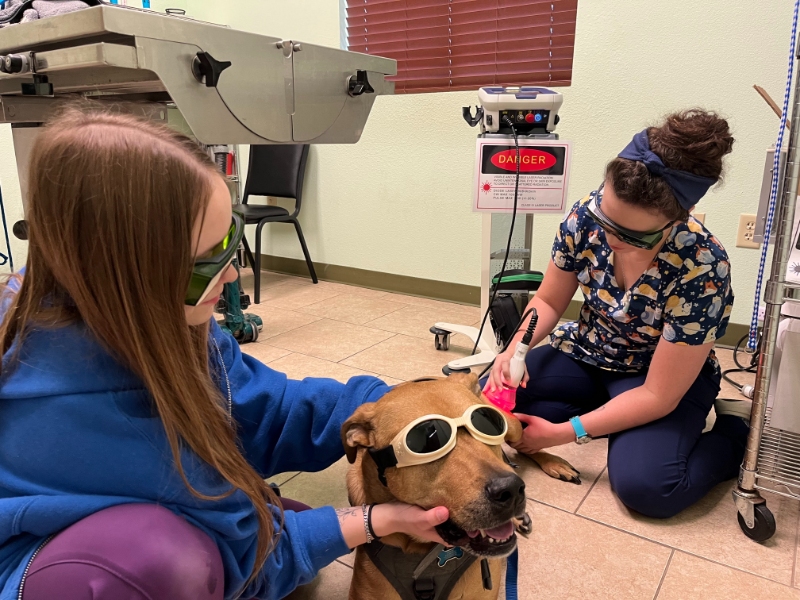
Laser Therapy in North Richland Hills
We’re excited to offer laser therapy, a cutting-edge treatment for pain and inflammation in pets. This therapy uses targeted wavelengths of light to promote faster healing, reduce pain, boost circulation, and lessen swelling.
Request an AppointmentNumerous studies have shown that laser therapy can effectively address issues such as arthritis, joint pain, ligament sprains, muscle strains, dog and cat bites, feline acne and asthma, hotspots, post-surgery or trauma pain, hip dysplasia, lick granulomas, and snake or insect bites.
How Laser Therapy Supports Recovery
Laser therapy is often used as a complement to other treatments rather than a replacement. Pets recovering from pet surgery or orthopedic surgery frequently benefit from a series of laser sessions to reduce post-operative swelling and speed healing. It’s also a helpful option for pets with chronic joint pain, arthritis, or ongoing skin issues managed by our pet dermatology team.
What to Expect During a Session
Laser therapy sessions are quick, painless, and typically well tolerated by pets. Most pets feel a gentle, soothing warmth during treatment and often relax or even fall asleep. Sessions are usually done as part of a series, with your veterinarian recommending the right frequency based on your pet’s condition.
Many of our patients have already experienced the benefits of laser therapy with great success. If you think your pet could benefit or want to learn more, please give our office a call today at (817) 514-8387.
Is laser therapy painful for my pet?
No, laser therapy is painless and most pets find the gentle warmth soothing during treatment.
What conditions can laser therapy help with?
Laser therapy can help with arthritis, joint pain, muscle strains, post-surgery healing, hotspots, and other inflammatory conditions.
How many laser therapy sessions will my pet need?
The number of sessions depends on your pet’s condition. Your veterinarian will recommend a treatment plan based on their specific needs.
Can laser therapy be used after surgery?
Yes, laser therapy is commonly used after surgery to help reduce swelling and support faster healing.
Is laser therapy safe for senior pets?
Yes, laser therapy is a safe, non-invasive option that many senior pets with arthritis or chronic pain tolerate very well.
How long does a laser therapy session take?
Sessions are typically quick, often just a few minutes, depending on the size of the area being treated.
Does laser therapy require sedation?
No, laser therapy does not require sedation and most pets remain calm and relaxed throughout the session.
Orthopedic Surgery in North Richland Hills

Orthopedic Surgery in North Richland Hills
The following orthopedic surgical procedures are performed at Cornerstone Animal Hospital:
- Bone Fracture Repair
- Intramedullary pinning
- Plating, screwing & wiring
- External fixation
- Cruciate (ACL) Surgery
- Cruciate ligament tear – Extracapsular method (suturing)
- Tibial Plateau Leveling Osteotomy (TPLO)
- Patellar (Knee Cap) Luxation
- Hip Surgeries
For complex surgeries or specialized orthopedic procedures, experienced mobile surgeons may be consulted here at our hospital, or cases may be referred to specialty surgery centers as needed.
How We Diagnose Orthopedic Issues
Most orthopedic problems, from a torn cruciate ligament to a fracture, are diagnosed using our on-site digital X-ray. In some cases, our doctors may recommend ultrasound or additional imaging to fully evaluate soft tissue and joint structures before recommending a surgical plan.
Anesthesia and Recovery
Orthopedic procedures are performed using the same careful, individualized anesthesia protocols used for all pet surgery at our hospital, with pre-anesthetic blood work and continuous monitoring throughout. After surgery, many pets benefit from laser therapy to support healing and reduce inflammation, along with monitored recovery in our hospitalization and patient care unit.
Getting Back on Their Feet
Recovery time varies depending on the procedure and your pet’s overall health, and our team will walk you through a home care and activity restriction plan tailored to your pet’s surgery. Ongoing weight management and nutrition support can also help protect joints during recovery and reduce the risk of future orthopedic issues.
For more information about orthopedic surgery, please don’t hesitate to contact us today at (817) 514-8387.
How do I know if my pet needs orthopedic surgery?
Signs like limping, difficulty rising, or reluctance to bear weight on a leg often prompt an X-ray and evaluation to determine if surgery is needed.
What is TPLO surgery?
TPLO, or Tibial Plateau Leveling Osteotomy, is a surgical procedure used to stabilize the knee joint in pets with a torn cruciate ligament.
Is anesthesia safe for orthopedic procedures?
Yes, we use individualized anesthesia protocols with pre-anesthetic blood work and continuous monitoring for every orthopedic surgery.
How long is recovery after orthopedic surgery?
Recovery time varies by procedure and pet, but our team will give you a specific home care and activity plan to support healing.
Can laser therapy help with orthopedic recovery?
Yes, many pets benefit from laser therapy after orthopedic surgery to reduce inflammation and support faster healing.
Do you refer complex cases to a specialist?
For complex or highly specialized procedures, we may consult with mobile surgeons or refer cases to a specialty surgery center as needed.
Can nutrition help prevent future orthopedic issues?
Yes, maintaining a healthy weight through proper nutrition helps reduce strain on joints and can lower the risk of future orthopedic problems.
Ultrasound in North Richland Hills
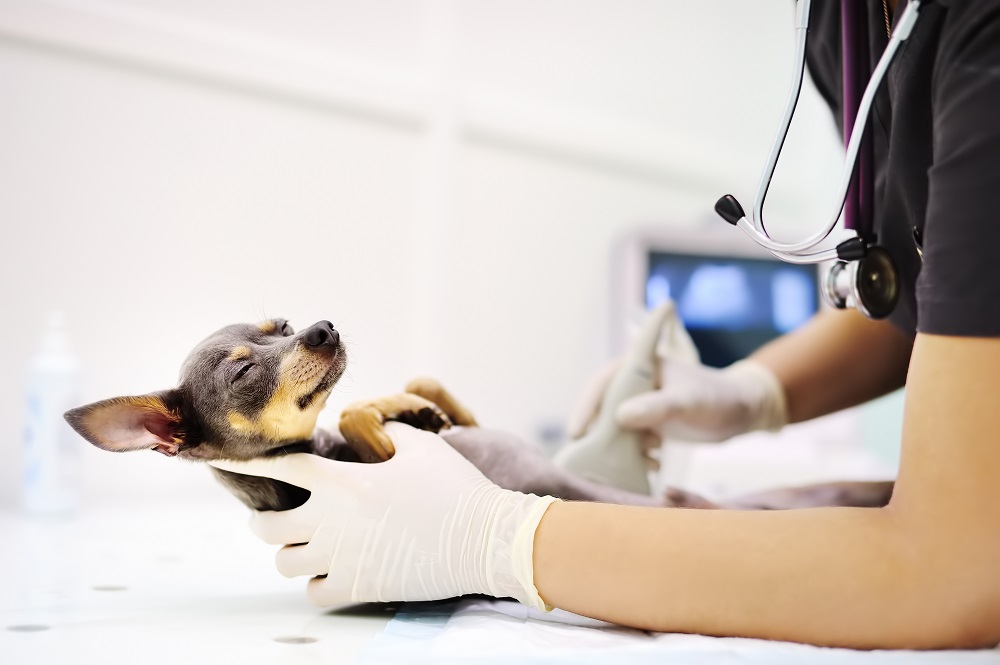
Ultrasound & Echocardiography in North Richland Hills
Ultrasound is a safe, non-invasive diagnostic method used to image your pet’s abdominal and chest organs and assess heart function. At Cornerstone Animal Hospital, we use ultrasound to detect a variety of conditions.
Request an AppointmentWe use ultrasound for:
- Evaluation of internal organs such as liver, spleen, kidneys, adrenals, intestines, stomach, uterus, prostate, and others for abnormalities
- Detection of abdominal or chest cancers (neoplasia)
- Identification of fluid or blood in the abdomen or chest
- Pregnancy confirmation
- Diagnosis of uterine infections (pyometra)
- Detection of foreign material in the stomach or intestines
- Assessment of fluid accumulation in the abdomen (ascites) or chest (pleural effusion)
- Fluid around the heart (pericardial effusion)
- Detection of stones in the urinary bladder or kidneys
Many of these conditions may not be visible to the naked eye or detectable through a physical exam alone. Ultrasound findings are often used alongside X-ray and our on-site laboratory services to give our doctors a complete picture before recommending treatment, whether that means medication, surgery, or continued monitoring through hospitalization and patient care.
Types of Ultrasound Exams We Offer
We provide routine AFAST ultrasounds, pregnancy checks, and basic ultrasound exams. For a detailed, thorough sonographic evaluation, referrals to a board-certified internist are available by appointment only.
For more information about ultrasound and echocardiography services, please contact us today at (817) 514-8387.
Is ultrasound safe for my pet?
Yes, ultrasound is a completely safe, non-invasive way to image internal organs and the heart without radiation.
Can ultrasound confirm pregnancy in pets?
Yes, ultrasound is commonly used to confirm pregnancy and monitor developing puppies or kittens.
Does my pet need to be sedated for an ultrasound?
Most ultrasound exams do not require sedation, though some anxious or painful pets may benefit from mild sedation for comfort.
What conditions can ultrasound help detect?
Ultrasound can help detect tumors, fluid buildup, bladder or kidney stones, uterine infections, and abnormalities in organs like the liver and spleen.
What is an AFAST ultrasound?
An AFAST ultrasound is a rapid abdominal scan often used in emergency or trauma situations to check for internal bleeding or fluid.
Do you refer out for advanced ultrasound evaluations?
Yes, for detailed sonographic evaluations, we can refer to a board-certified internist by appointment.
How does ultrasound differ from X-ray?
Ultrasound shows soft tissue detail and organ function in real time, while X-ray is better for viewing bones and certain dense structures.
Wellness Plan in North Richland Hills

Wellness Plan in North Richland Hills
Stop by today to enroll your furry companion in one of our comprehensive Annual Wellness Plans. We offer four tailored plans for both cats and dogs, thoughtfully designed to support your pet’s health from their playful puppy or kitten stage through to their adult and senior years.
All wellness plans are 50-60% discounted from regular prices.
We make it simple and budget-friendly with flexible payment options: one-time payment, two split payments, or six monthly payments. Our mission is to deliver high-quality veterinary care at a price that works for you.
Request an AppointmentPuppy & Kitten Plans
Our Puppy and Kitten Plans focus on early protection and development. These plans include:
- 12 office visits (Doctor exams)
- Same-day appointments (based on availability)
- Core vaccinations with boosters
- Diagnostic testing
- Pre-anesthetic blood work
- Spay or neuter procedure
- Microchip implantation with life time registration
These plans cover many of the same vaccinations your pet needs during their first year, including canine vaccinations or feline vaccinations, bundled into one predictable plan.
Adult Canine & Feline Plans
Designed to support the ongoing health of adult pets, these plans include:
- 12 office visits (Doctor exams)
- Same-day appointments (based on availability)
- Vaccinations with boosters
- Routine diagnostic tests
- Comprehensive blood work
Routine diagnostics and blood work through our laboratory services help us catch potential health issues early, supporting the same goals as our broader preventive care program.
Canine and Feline Dental Plans
All the services under Adult Plans plus dental cleaning under anesthesia. Please note that dental extractions, pain medications, and dental X-rays are not included in this plan and may incur additional charges. For more on what’s involved, visit our dental services page.
Canine and Feline Senior Plans
All the services under Dental Plans plus X-ray. Please note that dental extractions, pain medications, and dental X-rays are not included in this plan and may incur additional charges. Our X-ray team uses this imaging to help catch age-related changes early in senior pets.
We make it simple and budget-friendly. Schedule an appointment and we’ll go over each option in detail and help you choose a plan. Our mission is to deliver high-quality veterinary care at a price that works for you.
What’s included in a puppy or kitten wellness plan?
Puppy and kitten plans include 12 office visits with doctor exams, core vaccinations with boosters, diagnostic testing, pre-anesthetic blood work, and a spay or neuter procedure.
How is the adult plan different from the puppy or kitten plan?
Adult plans focus on ongoing maintenance with 12 office visits, vaccination boosters, routine diagnostic testing, and comprehensive blood work rather than early puppy or kitten protocols.
Does the dental plan cover dental extractions?
No, dental extractions, pain medications, and dental X-rays are not included in the dental plan and may incur additional charges.
What extra services are included in the senior plan?
The senior plan includes everything in the dental plan plus X-ray to help monitor for age-related health changes.
What payment options are available for wellness plans?
Wellness plans can be paid with a one-time payment, two split payments, or six monthly payments.
How many office visits are included in a wellness plan?
Each plan includes 12 office visits with doctor exams, with same-day appointments available based on availability.
How do I choose the right wellness plan for my pet?
Schedule an appointment and our team will go over the options in detail and help you choose the plan that best matches your pet’s age and health needs.
Grooming & Bathing in North Richland Hills

Cat and Dog Grooming in North Richland Hills
Regular grooming is essential not only for your pet’s appearance but also for their overall health. Grooming helps reveal issues related to your pet’s hair, skin, paws, ears, eyes, and nails that owners might otherwise overlook.
Request an AppointmentAt Cornerstone Animal Hospital, our experienced professional groomer offers a full range of grooming services for dogs and cats, including regular baths, medicated shampoo baths, breed-specific grooming and trims, shave-downs, de-shedding, and brush-outs. We ensure your pet looks and feels their best every visit. If you have special grooming requests, our groomer is happy to accommodate your preferences.
Our grooming salon provides personalized care to keep your pets healthy, clean, and smelling great. Feel free to contact our staff to discuss your pet’s needs, and we’ll tailor the services in consultation with the groomer. Fleas, ticks, and other external parasites are frequently detected during grooming, so timely visits also support the work our team does through parasite control and heartworm care.
The grooming salon at Cornerstone Animal Hospital is staffed by a certified and compassionate pet stylist. Our stylists treat dogs and cats gently and with care, ensuring your pet looks and feels wonderful after every appointment.
Our pet stylists are available every day except Thursdays and Sundays to meet your pet’s grooming and bathing needs. For appointment details, scheduling, and grooming options, please call us at (817) 514-8387. If your pet is boarding with us and needs grooming before going home, kindly inform us in advance when scheduling pet boarding.
Bathing
Regular baths keep your pet’s skin and coat clean, prevent odors, and promote a healthy, shiny coat. Pets with skin issues may benefit from medicated or specialty shampoo baths and conditioners. If your pet has ongoing skin concerns, our pet dermatology team can help identify the underlying cause.
Oral Hygiene
Regular teeth brushing slows plaque buildup, maintains healthy gums, and reduces bad breath. While brushing at home can be challenging, our grooming staff can efficiently perform this during grooming or bathing. For a thorough oral health exam or dental diagnostics, please schedule a visit with our veterinarian through our dental services page.
Vaccinations Required for Grooming Service
To ensure the safety of all pets and staff, Cornerstone Animal Hospital requires that pets using our grooming and bathing services be current on all core vaccinations.
Dogs
Must have Rabies, Distemper-Parvo, and Bordetella (Bordetella vaccine every 6 months).
Cats
Must have Rabies and Feline Distemper-Panleukopenia (FVRCP) vaccines.
Young Cats / Kittens
Must be at least 12 weeks old and have received two (2) FVRCP vaccines.
Puppies
Must be at least 12 weeks old and have received two (2) Distemper-Parvo vaccines and two (2) Bordetella vaccines.
If your pet needs to catch up on vaccines before their grooming appointment, visit our vaccinations page, including details on canine vaccinations and feline vaccinations.
Grooming/Bathing Services Available
- Regular haircuts
- Custom cuts
- Sanitary trims
- Bathing with specialty shampoos and conditioners
- De-shedding and de-matting
- Hand scissoring for specialty cuts
- Full body shave
- Lion cuts for cats
- Nail trims and anal gland expression
- Nail grinding / dremel
- Nail polishing
- Bandanas and bows
Sedation / Anesthesia for Grooming
If your pet is very nervous and requires sedation for grooming, we can accommodate their specific needs. Sedation or anesthesia will be carefully monitored by an experienced veterinary technician. For older or senior pets, pre-anesthesia blood work through our laboratory services is strongly recommended to ensure safety.
For special offers, please visit our promotions page.
For more information about pet grooming and bathing, don’t hesitate to contact us today at (817) 514-8387.
How often should my pet be groomed?
Most dogs and cats benefit from grooming every 4 to 8 weeks, though pets with longer coats or skin conditions may need more frequent visits.
Do I need to bring proof of vaccinations for grooming appointments?
Yes, pets must be current on core vaccinations before their grooming appointment. Bring records if your pet was vaccinated elsewhere.
What days is your grooming salon open?
Our pet stylists are available every day except Thursdays and Sundays. Call (817) 514-8387 to schedule.
Can my nervous pet be sedated for grooming?
Yes, we can accommodate pets who need sedation for grooming, with monitoring by an experienced veterinary technician.
Do you offer grooming for boarding pets before pickup?
Yes, just let us know in advance when scheduling boarding if you’d like your pet groomed before they go home.
Do you groom cats as well as dogs?
Yes, our grooming salon offers services for both cats and dogs, including lion cuts for cats and breed-specific trims for dogs.
What if my pet has sensitive skin?
We offer medicated and specialty shampoo baths for pets with skin sensitivities, and can consult with our dermatology team if needed.
Heartworm Care in North Richland Hills

Heartworm Care in North Richland Hills
Heartworm disease is a serious illness affecting dogs, cats, and ferrets, caused by a parasitic roundworm known as the heartworm. It’s preventable with regular administration of heartworm prophylaxis as recommended by a veterinarian, and Cornerstone Animal Hospital offers a wide range of affordable prevention options for your pet.
Request an AppointmentClick here to watch a Video on Heartworm Disease
Where Is Heartworm Disease Prevalent?
For heartworm prevalence in the USA, please visit The Heartworm Society. North Texas sees year-round mosquito activity, which makes consistent prevention especially important for pets in North Richland Hills and surrounding communities.
Is Heartworm Disease Preventable?
Heartworm disease can be prevented by administering heartworm prophylaxis medication as advised by your veterinarian. At Cornerstone Animal Hospital, we offer many affordable options as part of our broader parasite control program. Be sure to check out our current promotions on heartworm medications.
Symptoms of Heartworm Disease
Dogs with mild heartworm infection often show no symptoms or may have only a mild, occasional cough. Moderate cases typically show coughing and exercise intolerance. Severe infections can cause anemia, fainting, and right-sided chronic heart failure. If you notice any of these signs, schedule an exam through our preventive care team as soon as possible.
Diagnosing Heartworm Disease
The simplest way to diagnose heartworm infection is through a heartworm test at your veterinarian’s office. At Cornerstone Animal Hospital, the test takes less than fifteen minutes using our on-site laboratory services. Dogs six months or older should test negative before starting prevention. Even puppies started on prevention early should be tested at six months, since it takes about six months for heartworms to mature and become detectable.
If heartworm is suspected, additional diagnostics like electrocardiograms, X-rays, and urine analysis may be performed.
How Infection Happens
Heartworms are transmitted by mosquitoes carrying infective larvae. These larvae migrate through the pet’s body over about six months, eventually reaching the heart and lungs. Adult heartworms can grow up to 12 inches long and release microfilariae (immature worms) into the bloodstream. The severity of the disease depends on worm load, duration, and the pet’s response.
Heartworm Treatment
If your pet tests positive, prompt treatment is necessary. Initial treatment aims to kill adult heartworms and involves careful staging through exams, X-rays, bloodwork, ECG, and urine tests. Severe cases may pose treatment risks. Adulticide injections are given three times, with close monitoring and hospitalization to manage reactions. Supportive care and pain management are provided, and pre-treatment with antibiotics is common. Monthly preventive medication helps eliminate young larvae, and pets are re-tested 4-6 months after treatment.
Post-Treatment Management
After treatment, activity should be strictly limited for 4-6 weeks. We recommend a follow-up antigen test 4-6 months post-treatment. If still positive, additional treatment or surgery may be needed.
For more information on heartworm prevention, please contact us at (817) 514-8387.
How often does my pet need heartworm prevention?
Most heartworm preventatives are given monthly year-round. Your veterinarian can recommend the best option based on your pet’s lifestyle and risk.
Can indoor pets get heartworm disease?
Yes, since heartworms are transmitted by mosquitoes, even indoor pets can be at risk if mosquitoes get inside the home.
How is heartworm disease diagnosed?
We perform a simple heartworm test in our on-site lab that takes less than fifteen minutes to give results.
Is heartworm treatment safe for my pet?
Treatment is carefully staged and monitored, with your pet’s activity restricted and hospitalization used as needed to manage the process safely.
How long does it take for heartworms to be detectable after infection?
It takes about six months for heartworm larvae to mature into a stage that can be detected by testing.
What are the signs of heartworm disease in dogs?
Mild cases may show no symptoms or an occasional cough, while moderate to severe cases can cause exercise intolerance, anemia, fainting, or heart failure.
Do cats need heartworm prevention too?
Yes, cats and ferrets can also contract heartworm disease, so year-round prevention is recommended for them as well.
Dental Services in North Richland Hills
Dental Services in North Richland Hills
At Cornerstone Animal Hospital, we take pride in offering comprehensive dental services for your pets. Although dental disease is both common and harmful, it remains one of the most overlooked health issues in animals, and if left untreated, infection can spread through the bloodstream and affect the heart, liver, and kidneys.
Request an AppointmentWhat makes dental disease particularly concerning is how widespread it is. Studies show that about 80% of dogs and 70% of cats over the age of three suffer from some form of dental disease. Even with attentive care, this condition affects a surprisingly large number of pets.
We believe the high prevalence is largely due to a lack of awareness among pet owners about the importance of dental health. There are many effective products available to help maintain your pet’s oral hygiene, but the key is consistent care. Brushing your pet’s teeth regularly remains the best way to prevent dental disease, and dental chews can be a helpful addition to your pet’s routine when owners commit to maintaining good oral health.
Routine Exams and Professional Cleanings
Routine veterinary exams play a crucial role in maintaining dental health. Your veterinarian will always inspect your pet’s mouth during preventive care check-ups to detect early signs of dental disease and provide guidance on proper home care.
In some cases, your vet may recommend a professional dental cleaning under anesthesia. This allows us to thoroughly clean your pet’s teeth, including beneath the gums and other areas that are difficult to reach during home care. We also use dental x-rays to check below the gumline for hidden problems that a visual exam alone can’t catch.
After a professional cleaning, it is essential to continue brushing your pet’s teeth and providing dental chews to help prevent the return of dental disease.
Signs of Dental Disease
Signs of dental disease include discolored teeth, bad breath, difficulty eating, and sometimes bleeding in the mouth. If you notice any of these symptoms, please schedule an exam as soon as possible. Pets who need more involved treatment may also benefit from our laser therapy for faster healing after oral procedures.
If you have any questions about dental care or the services we offer, feel free to contact us today at (817) 514-8387.
How common is dental disease in pets?
Studies show about 80% of dogs and 70% of cats over age three have some form of dental disease, making it one of the most common health issues in pets.
What are the signs of dental disease?
Common signs include discolored teeth, bad breath, difficulty eating, and sometimes bleeding in the mouth.
Does my pet need anesthesia for a dental cleaning?
Yes, professional dental cleanings are performed under anesthesia so we can thoroughly clean below the gumline and other hard-to-reach areas safely.
How often should my pet have a professional dental cleaning?
This varies by pet, but your veterinarian will recommend a schedule based on your pet’s dental exam findings and overall health.
What can I do at home to prevent dental disease?
Regular tooth brushing is the most effective home care, and dental chews can be a helpful addition when used consistently.
Can untreated dental disease affect my pet’s overall health?
Yes, untreated dental infections can spread through the bloodstream and potentially affect the heart, liver, and kidneys.
Do you check for dental disease during regular exams?
Yes, your veterinarian inspects your pet’s mouth at every check-up to catch early signs of dental disease.
Hospice & End of Life Care in North Richland Hills

Hospice & End of Life Care in North Richland Hills
When the quality of your pet’s life seems to be fading, you will face one of life’s most difficult decisions. The veterinarian and staff at Cornerstone Animal Hospital will be there with you and your pet with empathy and support, helping you find the comfort and clarity to know when the time has come.
Request an AppointmentYour pet will be treated with the dignity and honor they deserve as a member of the family. Because we form such a strong bond with our companion animals, the end of a pet’s life can be a devastating experience. Everyone on the Cornerstone staff knows firsthand the grief and hurt you may be experiencing, and we will make sure you feel as comfortable as possible during this difficult time.
How to Make the Final Decision
Certain symptoms or behavioral changes in your pet may make you wonder if it’s time to consider euthanasia. The most common signs that the final decision may need to be made imminently in an older or seriously ill pet include:
- Considerable weight loss over a long period or at a fast pace
- Unable to stand or needing help to move around
- Chronic pain not helped by pain medication or other medical therapy
- Not interested in eating or drinking
- Losing bowel or urinary control
- Cognitive changes, such as not responding normally or showing abnormal age-related behavior
- The pet appears to be suffering for other reasons
If you’re noticing several of these signs, our team can also help evaluate your pet through hospitalization and patient care or diagnostic testing to better understand what’s happening.
We Can Help With the Decision
In certain situations, pet owners may not be able to make this judgment on their own due to emotional reasons or uncertainty about the medical picture. You may also want to be doubly sure that the decision is being made at the right time, without your pet suffering unnecessary pain or discomfort. The veterinarian at Cornerstone Animal Hospital can be trusted to help you make the right decision. Our doctor does not encourage euthanasia without valid medical reasons, and our team is known for showing genuine empathy to every pet parent, helping make this transition as smooth and comforting as possible.
Sedation
To ensure your pet has a smooth and comfortable transition, every pet receives sedation or anesthesia prior to euthanasia. Since every pet is different, we have several sedation and anesthesia protocols to choose the right one for your situation. Most of the time, sedation makes your pet very sleepy but awake, pain free and comfortable in your arms. An intravenous catheter is placed for every pet to allow for gentle administration.
Will My Pet Feel Pain?
At Cornerstone Animal Hospital, we make sure your pet will be relaxed and pain-free before and during the procedure. Pain medications may also be administered in addition to sedation.
What Happens During the Injection?
Since your pet will already be anesthetized, they will drift to sleep within a few seconds of starting the IV injection. We use a heavy overdose of the anesthetic agent, which causes the heart to stop, and your pet will pass away within seconds after the injection is given. The veterinarian will check on your pet after the injection and let you know when they have passed away.
Grieving Time
Losing a pet is similar to losing a family member. We understand that it is not an easy experience and that grieving is necessary. Everyone processes grief differently, and we encourage families to allow each member to grieve in their own way and in their own time.
After Care
At Cornerstone Animal Hospital, we understand that the life you shared with your companion is special, and we take care of their remains in an honorable manner. After-care options range from communal cremation, to private cremation with ashes returned in an urn or box of your choice, or you may choose to handle arrangements yourself. We also offer several pet memorial options, including paw prints on a clay or metal necklace with glass beads that contain the ashes, so your pet’s memory can live on.
For more information on pet hospice care, please don’t hesitate to contact us today at (817) 514-8387.
How do I know if it’s time to consider euthanasia for my pet?
Signs like significant weight loss, difficulty standing, chronic pain, loss of appetite, or loss of bowel control are common indicators. Our veterinarian can help you evaluate your pet’s quality of life.
Will my pet feel any pain during the procedure?
No, your pet will be sedated or anesthetized beforehand and will be relaxed and pain-free throughout the process.
Can the veterinarian help me decide if it’s the right time?
Yes, our veterinarian can help guide this decision based on your pet’s medical condition and quality of life, without pressure toward a particular outcome.
What after-care options are available for my pet’s remains?
We offer communal cremation, private cremation with ashes returned to you, and pet memorial options like paw print necklaces containing ashes.
Is sedation always used before euthanasia?
Yes, every pet receives sedation or anesthesia first to ensure a smooth, pain-free, and comfortable transition.
How long does the process take?
Your pet will typically drift to sleep within seconds of the injection, and the veterinarian will confirm when your pet has passed.
Can I stay with my pet during the process?
Yes, we encourage you to be present with your pet, and most pets remain comfortable in your arms throughout.
Hospitalization & Patient Care in North Richland Hills
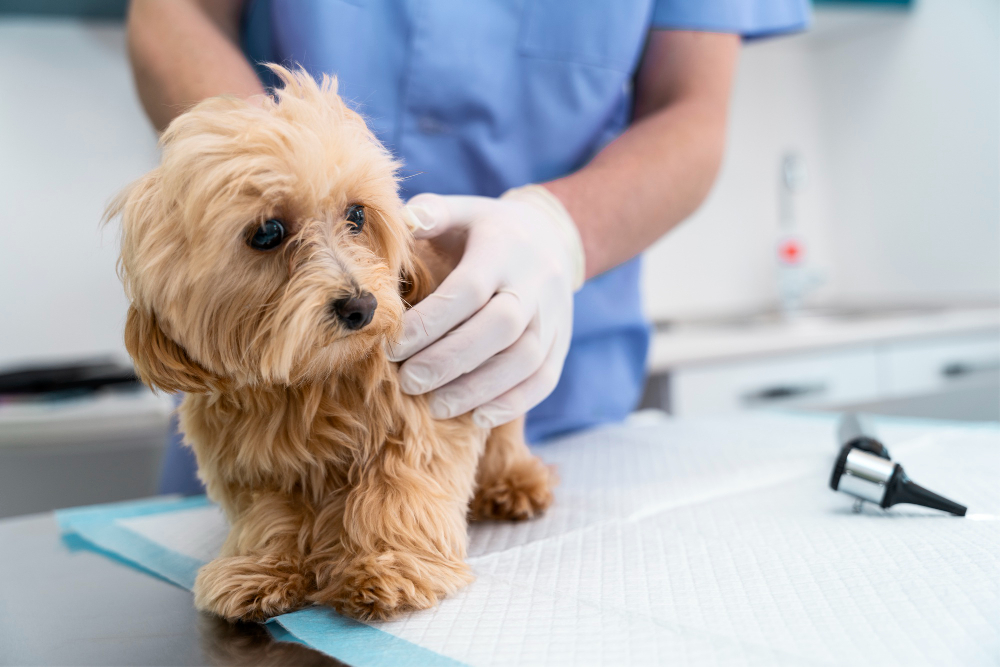
Hospitalization & Patient Care in North Richland Hills
Sometimes your pet may need to be hospitalized to receive treatment for an illness. The veterinarians and support staff at Cornerstone Animal Hospital are dedicated to caring for your pet’s needs, using our in-house laboratory, access to reference labs, and advanced diagnostic tools to accurately diagnose and effectively manage your pet’s condition.
Request an AppointmentOur treatment and isolation facilities allow us to care for a wide range of ailments, including contagious diseases. When you entrust your pet to us, you can rest assured they will be as comfortable and well cared for as possible. Pets who arrive through our emergency care department are often transferred here once stabilized for ongoing monitoring and treatment.
How Do We Take Care of Your Hospitalized Pet?
After discussing with you, our veterinary team will provide an estimate and create a treatment plan based on your pet’s current clinical condition. The length of hospitalization depends on the diagnosis and your pet’s individual response to treatment. We closely monitor vital signs, IV fluid administration, food intake, urine and stool output, and other important parameters using our on-site laboratory services and advanced diagnostics.
Pet parents are welcome to visit during the stay; however, visits may be restricted for certain contagious or critical conditions. We will keep you updated with timely calls about your pet’s progress and response to treatment. Pets recovering from surgery, such as orthopedic surgery or other procedures, are also closely monitored here before going home.
For more information about pet hospitalization, please don’t hesitate to contact us at (817) 514-8387.
What conditions require pet hospitalization?
Pets may be hospitalized for a range of reasons, including severe illness, post-surgical recovery, contagious diseases, or conditions requiring close monitoring and IV fluids.
How long will my pet need to stay hospitalized?
The length of stay depends on your pet’s diagnosis and how they respond to treatment. Our team will give you an estimated timeline as care progresses.
Can I visit my pet while they’re hospitalized?
Yes, in most cases pet parents are welcome to visit, though visits may be limited for pets with contagious or critical conditions to protect their recovery.
Will I receive updates on my pet’s condition?
Yes, our team provides timely calls to keep you informed about your pet’s progress and any changes to their treatment plan.
What monitoring is provided during hospitalization?
We closely track vital signs, IV fluids, food intake, and urine and stool output to ensure your pet’s condition is well managed.
Do you treat contagious diseases during hospitalization?
Yes, our isolation facilities allow us to safely care for pets with contagious conditions while protecting other patients.
Will I get a cost estimate before my pet is hospitalized?
Yes, our veterinary team will discuss the treatment plan and provide an estimate before proceeding with hospitalization.
X-Ray (Radiography) in North Richland Hills

X-Ray (Radiography) in North Richland Hills
The veterinary team at Cornerstone Animal Hospital in North Richland Hills utilizes non-invasive tools such as X-rays to diagnose and treat our patients. Our facility features a state-of-the-art digital X-ray system that helps pinpoint the cause of your pet’s discomfort, illness, or injury.
Request an AppointmentWhen Is X-Ray Necessary?
If your pet is showing signs of illness or has experienced trauma, X-rays are an invaluable diagnostic tool that helps our doctors determine the best course of care. X-rays are often the first step in emergencies, and results can guide next steps in our emergency care or hospitalization departments.
During general wellness exams for senior pets, X-rays can detect potential issues that might become serious later, including:
- Urinary bladder stones or kidney stones
- Chest abnormalities such as an enlarged heart or tumors
- Lung problems like pulmonary edema or pneumonia
- Broken bones (fractures) or joint dislocations
- Tumors (masses) or cancer
- Twisted stomach or intestines
- Swallowed coins or other foreign objects in the stomach or intestines
At Cornerstone Animal Hospital, veterinarians may combine X-rays with other diagnostic tools like ultrasound or echocardiography to develop a personalized treatment plan for your pet. Findings from an X-ray may also lead to a referral for pet surgery or orthopedic surgery when a fracture, mass, or joint issue is identified.
Consultations with a Board-Certified Radiologist are available at any time for an additional fee.
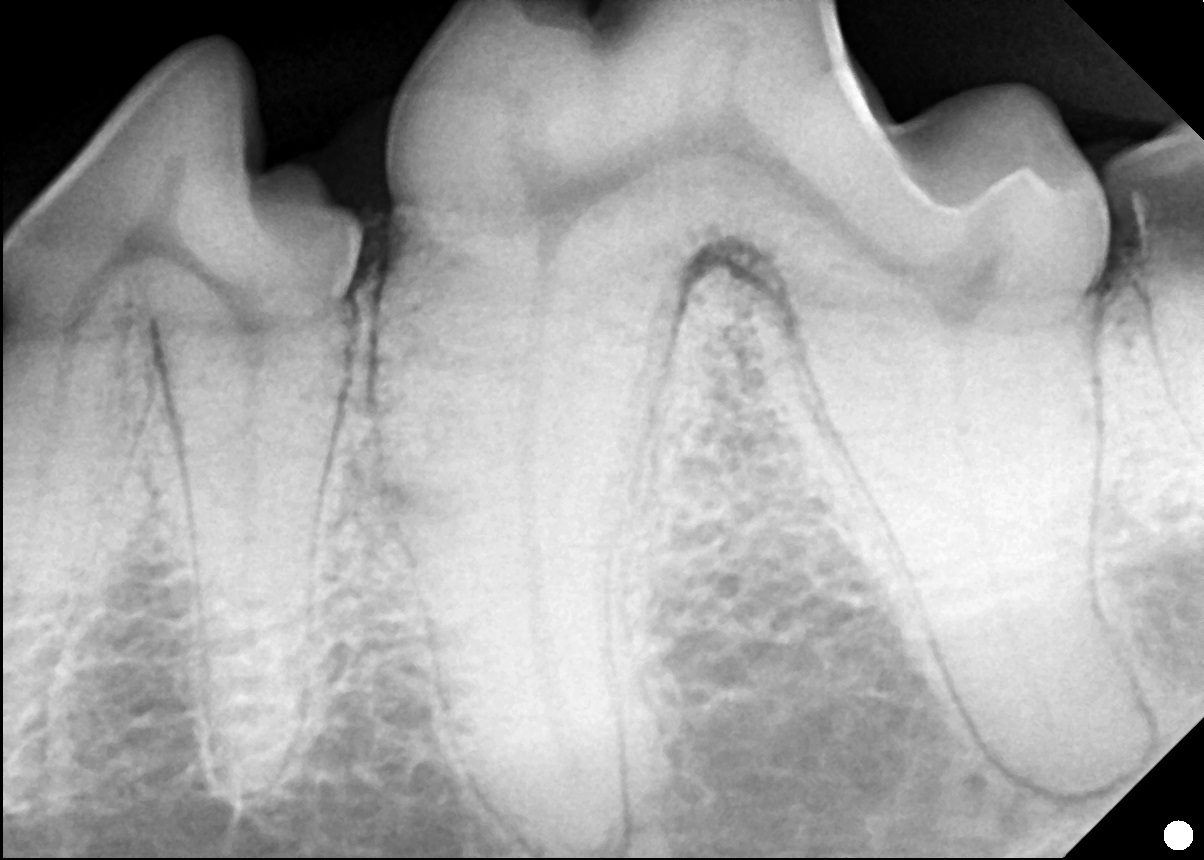
Dental X-Ray
Dental X-rays help differentiate healthy teeth from those that are infected and may require extraction. They also reveal abnormalities beneath the gums, including root damage, tumors, and abscesses, making them an important part of our dental services.
For more information about imaging services, please contact us today at (817) 514-8387.
How do I know if my pet needs an X-ray?
If your pet has experienced trauma, is showing signs of illness, or your veterinarian wants to rule out internal issues, an X-ray may be recommended as part of the exam.
Is X-ray safe for my pet?
Yes, digital X-rays are a safe, non-invasive way to diagnose a wide range of conditions, from fractures to internal masses.
Do senior pets need X-rays during wellness exams?
Many senior pets benefit from X-rays during wellness visits, since they can catch issues like bladder stones, heart changes, or early tumors before symptoms appear.
How quickly can I get X-ray results?
Our digital X-ray system provides fast, high-quality images that our veterinarians can review the same day.
Can X-rays detect swallowed objects?
Yes, X-rays are commonly used to check for swallowed coins, toys, or other foreign objects in the stomach or intestines.
Do you offer radiologist consultations?
Yes, Board-Certified Radiologist consultations are available for an additional fee if a more specialized read is needed.
Are dental X-rays different from regular X-rays?
Yes, dental X-rays focus specifically on the teeth and areas beneath the gums to detect infection, root damage, or hidden abscesses.
Laboratory Services in North Richland Hills

Pet Laboratory Services in North Richland Hills
Our in-house laboratory is equipped to perform all routine lab work efficiently. For specialized diagnostics and consultations, we also partner with IDEXX, Antech Diagnostics, and other veterinary laboratories, helping us provide quick and accurate diagnoses so we can promptly determine the best treatment options for your pet.
Request an AppointmentAvailable In-House Laboratory Tests
Blood Tests
- Complete Blood Count (CBC)
- Blood Serum Chemistry Analysis
- Electrolytes
- Thyroid Test (T4)
- Blood Smear Evaluation
- Coagulation (Clotting) Testing
- Canine Heartworm Infection
- Tick-borne Infections (Ehrlichiosis, Lyme, Anaplasma)
- Feline Leukemia Virus (FeLV) Test
- Feline Immunodeficiency Virus (FIV / Feline AIDS)
- Feline Heartworm Infection
- Pancreatitis Screening (Canine and Feline)
- Leptospirosis Test
- Diabetes Screening
Results from our heartworm testing directly support our heartworm care program, and tick-borne and parasite screenings tie into our broader parasite control services.
Stool Tests
- Parvovirus Test
- Direct and Flotation Stool Tests
- Giardia Testing
Skin Tests
- Fungal (Ringworm) Testing
- Fine Needle Aspirate for Cytology of Tumors (Masses)
- Skin Testing for Mange
- Cytology for Diagnosing Skin Infections
Pets showing signs of skin irritation are often referred to our pet dermatology team based on these results.
Urine Tests
- Urinalysis, Including Sedimentation
Ear and Eye Tests
- Ear Cytology for Diagnosing Ear Infections
- Eye Staining to Detect Ulcers
- Tear Test for Dry Eye Diagnosis
Lab results are often combined with X-ray or ultrasound findings to give our doctors a complete picture before recommending a treatment plan, whether that’s medication, surgery, or ongoing preventive care.
For more information about our laboratory services, please feel free to contact us today at (817) 514-8387.
How quickly can I get lab results for my pet?
Many routine tests are processed in our in-house lab and can be ready within minutes to hours, while specialized tests sent to outside labs may take a few days.
What blood tests can be run in-house?
We can run a complete blood count, chemistry panel, thyroid testing, heartworm testing, and several infectious disease screenings right in our office.
Do you test for tick-borne diseases?
Yes, we offer testing for Ehrlichiosis, Lyme disease, and Anaplasma as part of our diagnostic panel.
Can lab work help diagnose skin problems?
Yes, skin cytology, fungal testing, and mange testing can help identify the cause of skin irritation or infection.
Do you offer stool testing for parasites?
Yes, we perform stool tests to check for parvovirus, giardia, and intestinal parasites.
Why would my pet need a urinalysis?
Urinalysis helps detect urinary tract infections, kidney issues, diabetes, and other conditions that may not show obvious symptoms.
Do you send samples to outside labs for specialized testing?
Yes, we partner with IDEXX, Antech Diagnostics, and other veterinary laboratories for tests beyond our in-house capabilities.
Microchipping in North Richland Hills

Microchip Implantation in North Richland Hills
At Cornerstone Animal Hospital, we highly recommend microchip implantation for all pets as a safe and permanent form of identification. This simple procedure places a small microchip under your pet’s skin, providing a reliable way to reunite lost pets with their families.
Request an AppointmentCollars and tags can fall off, become unreadable, or be removed, but a microchip provides a permanent form of identification that stays with your pet for life. Our clinic uses microchips that include lifetime registration at no additional cost, ensuring your pet’s information is always accessible when needed.
How Microchipping Works
A microchip is about the size of a grain of rice and is implanted just beneath the skin between your pet’s shoulder blades using a simple injection. The procedure is quick, causes minimal discomfort, and doesn’t require anesthesia in most cases. Many pet parents choose to have their pet microchipped during a routine preventive care visit, at the time of vaccinations, or while their pet is already under anesthesia for another procedure, such as spay or neuter surgery.
Why Microchipping Matters
Studies show that microchipped pets are far more likely to be reunited with their owners if lost compared to pets without one. Once implanted, the microchip can be scanned by any veterinary clinic, animal shelter, or animal control officer using a universal scanner, instantly pulling up your contact information from the registry.
Registering and Updating Your Information
A microchip is only effective if the registration information is current. After your pet is microchipped, we’ll help make sure their chip is registered with your correct contact details. If you move or change your phone number, it’s important to update your pet’s microchip registry right away so you can be reached quickly if your pet is ever found.
Is Microchipping Safe?
Microchipping is a very safe, low-risk procedure that has been performed on millions of pets. The chip itself does not require batteries or maintenance and is designed to last the lifetime of your pet.
For more details about pet microchipping, please don’t hesitate to contact us at (817) 514-8387.
Does microchipping hurt my pet?
The procedure causes only brief, minor discomfort, similar to a routine injection, and most pets tolerate it well without sedation.
How long does a microchip last?
A microchip is designed to last the lifetime of your pet and does not require batteries or replacement.
Can a microchip be used to track my pet’s location?
No, a microchip is not a GPS device. It stores an ID number that’s linked to your contact information in a registry, which is read using a scanner.
What happens if I move or change my phone number?
You’ll need to update your pet’s microchip registration with your new information so shelters and clinics can reach you if your pet is found.
Can my pet be microchipped during another procedure?
Yes, many pet parents choose to microchip their pet during a spay, neuter, or dental procedure while they’re already under anesthesia.
Does microchipping replace a collar and ID tag?
No, a collar and tag are still helpful for quick identification, but a microchip provides permanent backup identification that can’t fall off or be removed.
Is there a cost for microchip registration?
Our clinic uses microchips that include lifetime registration at no additional cost.
Parasite Control in North Richland Hills

Parasite Control in North Richland Hills
What may seem like a minor nuisance to you can be dangerous and even life-threatening for your pet. Effective flea and tick prevention, stronger than typical over-the-counter treatments, can help you avoid serious health issues and the hassle of parasite infestations in your home.
Request an AppointmentIf your pet does have fleas or ticks, Cornerstone Animal Hospital offers professional flea treatments and safe tick removal at our clinic.
Dangers and Complications From Fleas and Ticks
Fleas can multiply rapidly, especially if unnoticed, leading to a full infestation in your home. Flea bites cause itching and discomfort for your pet and family, and can become infected. Fleas can also transmit diseases to your pet. Additionally, if your pet ingests fleas carrying worms, it can develop parasitic infections that deprive nutrients and, if untreated, can be fatal. Ticks carry diseases such as Lyme disease, which can severely affect your pet’s health over time. Pets who ingest fleas or worms often show skin or coat changes that our pet dermatology team can help evaluate.
Types of Flea and Tick Prevention
Spot-on treatments are commonly used by veterinary clinics for preventing fleas and ticks. This involves applying a liquid solution to your pet’s neck, which is secreted through sweat glands to repel and kill fleas and ticks on contact. These treatments are affordable and generally well-tolerated by pets.
Sprays are another option, involving an alcohol-based solution applied directly to your pet. Side effects are slightly more common with sprays compared to spot-on treatments. Oral medications are also available and provide full-body protection, including areas sprays cannot reach. Sometimes a combination of methods or adjusted dosages is recommended to effectively protect against both fleas and ticks. Many of these products also work alongside heartworm prevention for complete year-round protection.
Treating Fleas and Ticks at Cornerstone Animal Hospital
If your pet becomes infested with fleas or ticks, our North Richland Hills veterinarians can help. Using sprays or spot-on treatments, we eliminate fleas from your pet. For ticks, we provide safe removal and can test ticks for diseases through our on-site laboratory services. We also offer guidance on treating your home to remove the source of infestation.
To schedule flea or tick prevention or treatment, contact our North Richland Hills veterinary office at Cornerstone Animal Hospital by calling (817) 514-8387.
How can I tell if my pet has fleas or ticks?
Common signs include excessive scratching, visible insects or dark specks in the fur, red or irritated skin, and hair loss in affected areas.
Are over-the-counter flea treatments as effective as veterinary options?
No, veterinary-strength flea and tick prevention is generally more effective and longer lasting than typical over-the-counter treatments.
Can fleas and ticks make my pet seriously ill?
Yes, fleas can cause skin infections and parasitic infections, while ticks can transmit diseases like Lyme disease that affect your pet’s long-term health.
What’s the difference between spot-on treatments and oral medications?
Spot-on treatments are applied to the skin and spread through natural oils, while oral medications work systemically and can reach areas topical treatments may miss.
Do I need to treat my home if my pet has fleas?
Yes, treating your home is often necessary to fully eliminate a flea infestation, since fleas can live in carpets, bedding, and furniture.
Can you test a tick for disease after removing it?
Yes, we can safely remove ticks and test them for tick-borne diseases as part of our diagnostic services.
How often should my pet be on flea and tick prevention?
Most pets benefit from year-round prevention, since fleas and ticks can be active even during cooler months in North Texas.
Pet Boarding in North Richland Hills

Dog and Cat Boarding in North Richland Hills
The boarding facility at Cornerstone Animal Hospital is closely supervised by our veterinary team. If your pet has any medical condition that requires care or encounters an emergency, our team is ready to respond quickly and effectively.
Request an AppointmentWe’re committed to providing exceptional care for your pet during their stay. With a focus on comfort and safety, you can leave your pet with confidence and peace of mind. We offer Science Diet food for our guests, but pet parents are welcome to bring their pet’s own food and treats to avoid dietary issues.
Playtime and Daycare
Your pet will have access to water, food or treats as per your instructions, soft bedding, and time outside in the backyard at least three times a day. Some playtime and lots of love are always part of the stay. If your pet needs extra attention or playtime, let us know during check-in. Baths and grooming can also be scheduled while boarding through our grooming and bathing team. If your pet has pre-existing medical needs, our experienced team is prepared to provide necessary care, just let us know in advance. Be sure to check our promotions page for discounts and special offers.
Cat Friendly Boarding
We are proud to offer a cat-friendly environment. Cats are housed in a completely separate area from dogs to ensure a stress-free and comfortable experience. Our facility accommodates feline guests for day stays or extended overnights.
Long-Term Boarding
We offer long-term boarding depending on availability. To ensure the best experience for your pet, we require pre-payment of at least 50% of the estimated stay duration, a valid ID, and a credit/debit card on file.
Day Care
Need day care for a few hours or the entire day? We’re here to help. Your pet will enjoy a cozy space, personal attention, and playtime while in our care.
Boarding Policies
Vaccinations
All boarding pets must have up-to-date vaccinations administered by a licensed veterinarian. Proof must be provided in advance of the check-in date. If vaccinations are due or expire during the stay, we will administer them after a physical examination, with standard fees applying. Not sure if your pet is current? Visit our vaccinations page, including canine vaccinations and feline vaccinations, for full requirements.
Dogs:
- Canine Distemper-Parvo
- Bordetella (Kennel Cough)
- Rabies
Cats:
- Feline Distemper
- Rabies
Ferrets:
- Ferret Distemper
- Rabies
Flea or Tick Prevention
Cornerstone Animal Hospital maintains a strict “No Flea Zone.” All pets will be given flea prevention upon arrival as part of our parasite control protocol. If ticks are found, appropriate tick prevention will be administered at an additional cost.
Personal Belongings
Pet parents are encouraged to bring their pet’s favorite food, treats, blanket, leash, and toys. While we do our best to return all items, we cannot guarantee against loss or misplacement.
Pocket Pet Boarding
We also board exotic pets, including rabbits, guinea pigs, hamsters, and ferrets. Please bring their preferred food, bedding, toys, and cages to ensure their comfort.
Ferret Vaccines
Ferrets must be vaccinated for Ferret Distemper and Rabies before boarding. Proof from a licensed veterinarian is required prior to check-in.
Boarding Deposit
All new clients, long-term boarders, and holiday reservations must leave a 50% deposit at check-in. A reservation fee is required during holidays to hold your booking. This fee is applied to your final bill. If canceled within 2 days of check-in or not honored, the reservation fee is non-refundable.
Pick Up and Drop Off
Drop-off hours are during regular business hours: 8am–6pm weekdays, and 9am–3pm on Saturdays. Pick-up must be before 1pm. Pets picked up after 1pm will incur an additional day’s charge.
Unclaimed Pets
If a pet is not picked up as scheduled and we are unable to contact the pet parent, the pet may be considered abandoned. In such cases, Cornerstone Animal Hospital will follow applicable laws regarding abandoned pets. All associated boarding and service fees, including any legal costs, will remain the responsibility of the pet owner or their representative.
For more information on pet boarding, please don’t hesitate to contact us today at (817) 514-8387.
What vaccinations does my pet need before boarding?
Dogs need Canine Distemper-Parvo, Bordetella, and Rabies. Cats need Feline Distemper and Rabies. Ferrets need Ferret Distemper and Rabies.
Do you offer separate boarding areas for cats and dogs?
Yes, cats are housed in a completely separate area from dogs to ensure a calm, stress-free stay.
Can I bring my pet’s own food while boarding?
Yes, we offer Science Diet food, but you’re welcome to bring your pet’s own food and treats to avoid dietary upset.
Is a deposit required to reserve a boarding stay?
Yes, new clients, long-term boarders, and holiday reservations require a 50% deposit at check-in.
What are your boarding drop-off and pick-up hours?
Drop-off is during business hours, 8am–6pm weekdays and 9am–3pm Saturdays. Pick-up must be before 1pm to avoid an additional day’s charge.
Do you offer daycare in addition to overnight boarding?
Yes, we offer daycare for a few hours or the full day, with personal attention and playtime included.
Can exotic pets be boarded at your facility?
Yes, we board pocket pets like rabbits, guinea pigs, hamsters, and ferrets. Please bring their preferred food, bedding, and cage.
Pet Nutrition in North Richland Hills

Pet Nutrition and Prescription Diets in North Richland Hills
With so many pet food options available in stores, it’s easy for pet parents to feel overwhelmed about what to feed their pets. The veterinary team at Cornerstone Animal Hospital is here to guide you in making the best nutritional choices for your pet’s health.
Request an AppointmentWe stock a wide range of prescription diet products right here at our clinic. Our prices are kept affordable to ensure you get great value while your pet receives trusted, high-quality nutrition. We offer various foods and supplements designed to help manage and prevent a variety of medical conditions.
Nutrition for Every Life Stage and Condition
At Cornerstone Animal Hospital, we focus on preventing pet obesity and provide tailored nutrition plans to address specific health issues such as thyroid disorders, pancreatitis, diabetes, heart, liver, and kidney diseases, as well as kidney stones. Nutrition is often discussed as part of your pet’s preventive care exam, since diet plays a major role in preventing many of these conditions before they start. For pets managing diabetes or thyroid concerns, our laboratory services help us monitor how well a nutrition plan is working over time.
Weight management is one of the most common reasons pet parents ask about nutrition. Carrying extra weight puts added strain on joints and organs, which is especially important to manage in pets recovering from orthopedic surgery or living with chronic conditions. Our team can help design a feeding plan that supports a healthy weight without leaving your pet feeling deprived.
Getting a Prescription Diet
If your pet requires a prescription diet, please contact us at least one week in advance to avoid any delays and to ensure your food is ready for pickup at a convenient time. If you have questions about how a new diet might affect your pet’s dental health, our dental services team can also weigh in on the best options.
For more information about pet nutrition, feel free to call us today at (817) 514-8387.
How do I know which food is right for my pet?
Our veterinary team can recommend a diet based on your pet’s age, breed, weight, and any existing health conditions.
Do you carry prescription pet food?
Yes, we stock a wide range of prescription diet products at our clinic for a variety of medical conditions.
How far in advance should I order a prescription diet?
Please contact us at least one week in advance to make sure your pet’s food is ready for pickup without delays.
Can nutrition help manage chronic health conditions?
Yes, tailored nutrition plans can help manage conditions like thyroid disorders, pancreatitis, diabetes, and kidney or liver disease.
How can I help my pet lose weight safely?
Our team can create a feeding plan tailored to your pet’s needs, combining portion control with the right type of food to support healthy weight loss.
Is prescription food more expensive than regular pet food?
We keep our prescription diet pricing affordable so pets get high-quality, trusted nutrition without an unnecessary markup.
Can my pet’s diet affect their dental health?
Yes, certain diets and dental chews can support oral health as part of a broader dental care routine.
Pet Surgery in North Richland Hills

General Surgery in North Richland Hills
At Cornerstone Animal Hospital, our veterinarians serving North Richland Hills, Southlake, and Keller perform a comprehensive range of general surgical procedures for dogs, cats, and some exotic and pocket pets.
These procedures include, but are not limited to:
- Spaying and Neutering
- Tumor (mass) and growth removals
- Biopsies of skin, bone, and internal organs
- Oral surgeries for masses (tumors) and teeth
- Declawing cats and dewclaw removal in puppies
- Tail docking
- Limb amputation (in unsalvageable cases)
- Laceration and wound repair
- Urinary bladder surgery (cystotomy) and bladder or urethral stone removal (urethrotomy)
- Eye surgeries including eyelid repair for entropion and ectropion, and cherry eye correction
- Ear surgeries including hematoma repair, ear canal surgeries for chronic infections, and others
- Planned Cesarean sections
- Hernia repair
- Mammary gland removal (mastectomy)
- Prophylactic gastropexy (stomach tacking in large breed dogs to prevent twisted stomach), among others
For orthopedic procedures like ACL repair, fracture repair, or TPLO, visit our dedicated orthopedic surgery page. Pets needing dental extractions or oral mass removal are also supported by our dental services and dental x-ray diagnostics.
Emergency Surgery
We also perform emergency surgical procedures, including:
- Foreign body removal
- Abdominal exploratory surgery (for suspected foreign bodies or tumors)
- Cesarean section
- Pyometra (uterine infection) surgery
- Splenectomy (spleen removal for tumors or other conditions)
- Gastric dilation and volvulus (GDV or twisted stomach) surgery
- Perineal urethrostomy (PU) for blocked male cats
- Tracheostomy
- Laceration repair
- Eyeball repair or removal (for prolapsed eyes)
- Other emergency surgical procedures
Learn more about how we handle urgent cases on our emergency care page.
Anesthesia
At Cornerstone Animal Hospital, we prioritize the safety of your beloved pets just as your family doctor does for you. We tailor anesthetic protocols to each patient’s species (from large dogs to pocket pets), age (young to senior), and health conditions (healthy or with heart, liver, or kidney concerns). Our use of modern anesthetic medications ensures a safe and comfortable experience for all patients.
Anesthesia Monitoring
Our experienced staff use advanced digital monitoring equipment to continuously track heart rate, respiration, oxygen saturation, blood pressure, body temperature, and other vital signs throughout the procedure. Placement of an intravenous (IV) catheter and administration of IV fluids are standard for any major anesthesia. While anesthesia carries some risk, the benefits generally outweigh these when procedures are necessary.
All patients receive an IV catheter for fluid administration during anesthesia to maintain hydration. Our clinic is equipped with state-of-the-art monitoring devices including pulse oximetry (heart rate and oxygen saturation), electrocardiography (heart rhythm), respiratory monitoring, temperature, and blood pressure. This vigilant monitoring helps ensure your pet’s safety throughout anesthesia.
Does My Pet Need Pre-Anesthetic Blood Work?
We strongly recommend pre-anesthetic blood tests for all patients to assess organ function, clotting ability, and blood cell counts through our on-site laboratory services. Combined with a physical exam, this testing helps us evaluate anesthetic and surgical risks. Many conditions that could affect anesthesia safety may not show up on physical exam alone but can be detected through blood work.
Pain Management
We understand that surgery can cause pain, so we use advanced pain management protocols with medications before and after procedures to keep your pet comfortable. Many pets also benefit from laser therapy to support healing after surgery. We also provide loving care, including phone updates for pet parents, cozy blankets, and lots of attention to make the experience as gentle as possible, with recovery monitored in our hospitalization and patient care unit as needed.
For more information about pet surgery, please don’t hesitate to contact us today at (817) 514-8387.
What types of surgery do you perform?
We perform a wide range of procedures including spaying and neutering, tumor removal, biopsies, oral surgery, laceration repair, and orthopedic surgery.
Is anesthesia safe for my pet?
Yes, we tailor anesthetic protocols to each pet’s species, age, and health, and use advanced monitoring equipment throughout every procedure.
Does my pet need blood work before surgery?
Yes, we strongly recommend pre-anesthetic blood testing to assess organ function and catch any issues that might affect anesthesia safety.
How is my pet monitored during surgery?
We use digital monitoring equipment to track heart rate, oxygen levels, blood pressure, temperature, and other vital signs continuously throughout the procedure.
Will my pet be in pain after surgery?
We use pain management protocols before and after surgery, along with options like laser therapy, to keep your pet as comfortable as possible during recovery.
Do you perform emergency surgery?
Yes, we’re equipped to handle emergency surgical procedures such as foreign body removal, GDV surgery, and wound repair.
How will I be updated during my pet’s procedure?
Our team provides phone updates so you know how your pet is doing before, during, and after their procedure.
Cat Declawing in North Richland Hills

Cat Declawing in North Richland Hills
Cats naturally scratch as part of their behavior, but this can sometimes conflict with protecting your furniture or managing aggression. At Cornerstone Animal Hospital, we perform surgical declawing only when all other methods to prevent scratching have been exhausted.
Request an AppointmentThe procedure is carefully considered in situations where it may prevent a cat from being surrendered, mistreated, or euthanized.
Safe Cat Declawing in North Richland Hills
Our veterinarians take every precaution to ensure a safe and compassionate experience for your cat. Prior to surgery, we perform pre-anesthetic blood work through our on-site laboratory services and utilize advanced, individualized anesthetic protocols, similar to the safeguards used for all of our pet surgery patients. Pain management is a critical part of our recovery plan, and we use safe, effective medications to ensure your pet’s comfort during and after the procedure.
We strongly advise that declawed cats be kept indoors, as they lose their primary means of defense and climbing.
Our highest priority is the well-being of every pet we treat. All of our procedures and policies are designed with their health and safety in mind.
Providing Quality Surgical Care for Your Cat
Declawing is considered as a last resort in cases where a cat exhibits aggressive behavior or cannot be trained to avoid destructive scratching. While many cats can be trained with proper techniques, others may not respond. In such instances, surgical declawing may reduce the risk of abandonment or euthanasia. Declawed cats should live exclusively indoors due to their limited ability to protect themselves. Although declawing can be performed at any age, younger cats generally recover more quickly.
Expert Feline Care at Our Animal Hospital
At Cornerstone Animal Hospital, we begin with pre-anesthetic blood tests to confirm your pet is healthy enough for anesthesia. The procedure is carried out using carefully selected anesthetics, continuous monitoring with multi-parameter equipment, and skilled surgical techniques. Pain is managed using a combination of nerve blocks, injectable pain relievers, and ongoing medication to minimize discomfort. Many cats also benefit from a session of laser therapy to support faster healing after the procedure.
All surgical patients, including those undergoing declawing, receive intravenous fluids during the procedure through an IV catheter. Cats typically stay with us for the day following surgery, monitored through our hospitalization and patient care unit, to ensure a smooth and comfortable recovery.
Schedule a Consultation
If you’re considering whether declawing is appropriate for your cat, call Cornerstone Animal Hospital in North Richland Hills and the surrounding areas at (817) 514-8387 to schedule a consultation.
Is cat declawing considered a last resort?
Yes, we perform surgical declawing only after other options to prevent destructive scratching have been tried and haven’t worked.
Is anesthesia safe for my cat during this procedure?
Yes, we perform pre-anesthetic blood work and use individualized, closely monitored anesthetic protocols to keep your cat safe.
How is pain managed after declawing?
We use a combination of nerve blocks, injectable pain relievers, and ongoing medication, along with options like laser therapy, to keep your cat comfortable.
Should declawed cats be kept indoors?
Yes, declawed cats should live exclusively indoors since they lose their primary means of defense and climbing ability.
How long does my cat need to stay after the procedure?
Cats typically stay with us for the day following surgery so we can monitor their recovery before sending them home.
Is there an age limit for cat declawing?
Declawing can be performed at any age, though younger cats generally recover more quickly than older cats.
How do I know if declawing is right for my cat?
Schedule a consultation with our veterinary team so we can evaluate your cat’s behavior and discuss whether declawing or another approach is appropriate.
Preventive Care in North Richland Hills

Preventive Care in North Richland Hills
The veterinarians and staff at Cornerstone Animal Hospital place great importance on preventive care. As the saying goes, “An ounce of prevention is worth a pound of cure.” Preventing disease or detecting it early is far better than treating it once it has progressed.
Request an AppointmentRegular preventive health care from your North Richland Hills veterinarian helps protect your pet from unnecessary suffering and reduces financial burdens. Just as annual physical exams are recommended for people, routine physical examinations are highly recommended for pets as well.
Why Does My Pet Need a Physical Examination?
- Our pets cannot speak and don’t tell us when they feel unwell or show signs of internal illness. Regular examinations every six months, along with routine screening tests through our laboratory services, help detect hidden diseases before symptoms appear.
- Pets, especially cats, often hide signs of illness until late in the disease progression, an instinct rooted in survival behavior within their pack or colony.
- Subtle signs like loss of appetite, vomiting, diarrhea, lethargy, or weight changes might be overlooked or mistaken for minor behavior changes but can indicate serious health issues. Older pets or those with medical conditions may require more frequent check-ups. At Cornerstone Animal Hospital, we strive to help your pet live a healthy life by identifying, treating, and preventing many health problems through regular exams.
- Examinations also provide an opportunity for our veterinarian and staff to discuss your pet’s lifestyle and design a health plan tailored to their needs. Vaccination requirements and options will be reviewed to decide the best care for your pet. Our pet care team will also guide you on diet, dental care, exercise, diagnostics, and vaccinations, adapting as your pet’s needs evolve.
Preventive visits are also a good time to stay current on parasite control and heartworm prevention, and to consider a wellness plan to help manage the cost of routine care throughout the year.
For more information on preventive care, please don’t hesitate to contact us today at (817) 514-8387.
How often should my pet have a wellness exam?
Most pets benefit from an exam every six months, though senior pets or those with medical conditions may need more frequent visits.
Why do cats hide signs of illness?
Cats often hide illness as a survival instinct, which is why regular screening exams are especially important for catching hidden health issues.
What happens during a preventive care exam?
We perform a physical exam, review vaccination needs, discuss diet and dental care, and may recommend screening tests based on your pet’s age and history.
Can preventive care save money in the long run?
Yes, catching and managing health issues early is often less costly and less stressful for your pet than treating advanced disease.
What subtle signs of illness should I watch for at home?
Loss of appetite, vomiting, diarrhea, lethargy, and weight changes can all be early signs of a health issue worth discussing with your veterinarian.
Do senior pets need different preventive care?
Yes, senior pets often benefit from more frequent exams and additional screening tests to catch age-related conditions early.
Is a wellness plan a good option for preventive care?
Yes, a wellness plan can help make routine preventive services more predictable and affordable throughout the year.
Pet Dermatology in North Richland Hills

Pet Dermatology in North Richland Hills
Just like people, pets can suffer from allergies and various skin issues. Visiting a veterinarian in North Richland Hills is the best way to treat rashes, skin irritation, or infections promptly. Regularly checking your dog or cat for signs of skin problems helps ensure a healthy lifestyle.
Request an AppointmentOur veterinary team also serves pet owners in Keller, Colleyville, and Southlake. If you suspect your pet has a skin issue, don’t hesitate to contact our team today.
Irritation in Pets
If your pet has a flea problem, they may experience intense skin irritation. Symptoms such as hair loss, constant itching, and red bumps are common with flea infestations. Fleas can also cause stress and anxiety in pets due to persistent scratching or biting. It’s important to monitor your pet to prevent self-inflicted injuries. Our veterinarians can prescribe effective topical flea treatments as part of our parasite control program to eliminate the infestation and prevent future outbreaks.
Pet Hair Loss
Hair loss in pets can be a symptom of an underlying skin condition. Itchy, irritated skin often leads pets to excessively lick or chew affected areas, resulting in fur loss. Our North Richland Hills veterinarian can diagnose the root cause using our on-site laboratory services and recommend proper treatment.
Skin Rashes
Unusual rashes on your pet may indicate allergies, parasites, or dietary issues. Treating rashes often involves lifestyle adjustments, including improved grooming through our grooming and bathing services and nutritional changes. Let our experienced team help you identify and address the source.
Pets Can Also Have Allergic Reactions
Pets can experience allergic reactions from food, flea bites, or environmental factors. If your pet shows signs of itchiness or raised bumps, our veterinarians can perform tests to determine the cause and prescribe medication to relieve symptoms. Regular baths can also help reduce allergens on their skin and coat.
Flea-Induced Skin Problems
Fleas are more than just a nuisance, they can seriously impact your pet’s health. By biting and feeding on your pet’s blood, fleas cause discomfort and potential skin infections. At Cornerstone Animal Hospital, we provide effective treatment and prevention strategies. Call us today to schedule an appointment.
Flea Allergic Dermatitis (FAD)
Frequent scratching could be a sign of flea allergy dermatitis (FAD), a common condition in pets sensitive to flea saliva. Some pets are born with this allergy, while others develop it over time. Our veterinarians are trained to diagnose and treat FAD with medications such as Cytopoint® and Apoquel®. Cytopoint provides 4-8 weeks of relief with a single injection, while Apoquel helps control allergic reactions and reduce itching. Call us today to learn more.
Food as a Cause of Skin Problems
If your pet regularly experiences itchiness, redness, sores, or hair loss, their food may be to blame. Common allergens include chicken, soy, wheat, and beef. At Cornerstone Animal Hospital, we offer allergy testing to identify dietary triggers and can design a custom meal plan through our pet nutrition team to meet your pet’s unique needs. Contact us to book an appointment.
Hormonal Imbalances
Hormonal imbalances like hypothyroidism or Cushing’s disease can lead to skin issues such as oily or thinning skin, hair loss, bad odor, and excessive itching. These conditions may also cause serious health concerns if left untreated. Our veterinary team can perform diagnostics to check for glandular disorders and help your pet feel their best.
Immunotherapy for Skin Diseases
If standard treatments such as flea control, diet changes, and allergy medications have not resolved your pet’s skin issues, immunotherapy may be a solution. This therapy works by modifying the immune system’s response to allergens and can be administered as injections or oral drops. Treatment typically continues for at least one year for best results. We also offer oral medications like Apoquel and injectable options like Cytopoint to help manage chronic conditions. Contact us to learn more about immunotherapy options for your pet.
Does Your Pet Have Skin Problems?
If your pet is suffering from a skin condition, don’t wait to get help. Contact Cornerstone Animal Hospital, your trusted veterinarian in Colleyville, Southlake, Keller, and North Richland Hills. Call us at (817) 514-8387 to schedule a dermatology appointment today.
What are common signs of a skin problem in pets?
Common signs include hair loss, constant itching, red bumps, sores, and unusual rashes. If you notice these signs, schedule an exam with our team.
Can fleas cause skin allergies in pets?
Yes, some pets develop flea allergy dermatitis (FAD), a heightened reaction to flea saliva that causes intense itching and skin irritation.
Can food allergies cause skin issues?
Yes, common food allergens like chicken, soy, wheat, and beef can trigger itchiness, redness, and hair loss in sensitive pets.
What treatments are available for allergic skin conditions?
We offer medications like Cytopoint and Apoquel, along with allergy testing and immunotherapy for pets with chronic allergy-related skin issues.
Can hormonal imbalances cause skin problems?
Yes, conditions like hypothyroidism and Cushing’s disease can cause thinning skin, hair loss, and odor, and our team can test for these underlying issues.
How long does immunotherapy take to work?
Immunotherapy typically continues for at least one year to achieve the best results in reducing allergic skin reactions.
When should I bring my pet in for a skin issue?
If your pet shows persistent itching, hair loss, rashes, or skin irritation, it’s best to schedule an appointment as soon as possible to prevent the issue from worsening.
Pet Illness in North Richland Hills

Pet Illness in North Richland Hills
Just like humans, pets can fall ill unexpectedly and require the care of a skilled veterinarian. At Cornerstone Animal Hospital in North Richland Hills, TX, our veterinarians are fully equipped to provide a comprehensive range of services.
Request an AppointmentEmergency Versus Urgent Care
Caring for a sick pet can be stressful, and it’s often difficult to determine whether your pet’s condition requires urgent or emergency care. Here’s how to tell the difference:
- Emergency Pet Care. This care is for life-threatening situations. Clear emergencies include collapse, unconsciousness, broken bones, severe wounds, heavy bleeding, and poisoning symptoms. Visit our emergency care page for more detail on what qualifies.
- Urgent Care for Your Pet. These issues aren’t as severe as emergencies but still require prompt attention. Examples include not eating or drinking, difficulty urinating or defecating, and minor cuts. If you’re unsure, feel free to call our North Richland Hills office for guidance from our team.
Why Would a Pet Visit a Vet?
Here are 10 common reasons pets are brought to the vet:
- Soft tissue injury (bruises and contusions)
- Skin allergy or infection
- Skin mass or tag
- Ear infection
- Dental disease
- Urinary tract infection or kidney disease
- Diabetes
- Vomiting and/or diarrhea
- Not eating or drinking
- Arthritis
Skin-related concerns are often evaluated further by our pet dermatology team, while dental issues are handled through our dental services. Diagnosing many of these conditions starts with our on-site laboratory services.
Symptoms to Watch For
Since pets can’t tell us where they hurt or how they feel, knowing their normal behavior and recognizing changes is essential. If needed, seek veterinary care promptly. Watch for these signs:
- Vomiting or diarrhea. Occasional vomiting may occur if pets eat too fast or play right after eating, but repeated vomiting over 24 hours requires a vet visit. Occasional diarrhea may not be serious, but persistent episodes could indicate gastrointestinal issues needing veterinary attention.
- Not eating. Missing one meal might be okay, but skipping multiple meals needs evaluation.
- Lethargy.
- Hair loss, itchy skin, or rash.
- Excessive urination or urinating in unusual places.
Contact Cornerstone Animal Hospital Today
If you’re in the North Richland Hills area and need expert veterinary care or advice regarding your pet’s illness, call Cornerstone Animal Hospital at (817) 514-8387 to schedule an appointment today.
How do I know if my pet’s illness is an emergency?
Clear emergencies include collapse, unconsciousness, broken bones, severe wounds, heavy bleeding, and poisoning symptoms. If you see any of these, seek immediate care.
What’s the difference between urgent and emergency care?
Urgent issues like not eating, difficulty urinating, or minor cuts need prompt attention but aren’t immediately life-threatening. Emergencies require immediate care.
What are common reasons pets visit the vet?
Common reasons include skin allergies, ear infections, dental disease, urinary issues, vomiting or diarrhea, and arthritis.
When should I worry about my pet vomiting?
Occasional vomiting from eating too fast usually isn’t a concern, but repeated vomiting over 24 hours should be evaluated by a veterinarian.
My pet skipped a meal, should I be concerned?
Missing one meal is often not serious, but skipping multiple meals in a row warrants a veterinary evaluation.
What if I’m not sure whether my pet needs to be seen?
Call our office for guidance. Our team can help you determine whether your pet’s symptoms need same-day care or can wait for a scheduled appointment.
Can lethargy be a sign of illness?
Yes, unusual tiredness or lack of energy can be an early sign of illness and is worth mentioning to your veterinarian.
Vaccinations in North Richland Hills

Vaccinations in North Richland Hills
Vaccinations are one of the most effective ways to protect your pet from serious, and sometimes fatal, diseases. At Cornerstone Animal Hospital, we offer a full range of core and lifestyle vaccines tailored to your pet’s age, health, and risk factors.
Request an AppointmentWhether you’re bringing home a new puppy or kitten, or keeping an adult pet current on boosters, our veterinary team will help you build a vaccination schedule that fits your pet’s needs. Vaccines are typically reviewed and updated as part of your pet’s regular preventive care exam.
Vaccinations by Species
- Canine Vaccinations for puppies and adult dogs, including Rabies, Distemper-Parvo, and Bordetella
- Feline Vaccinations for kittens and adult cats, including Rabies and FVRCP
Why Vaccination Timing Matters
Puppies and kittens need a series of vaccines given a few weeks apart to build proper immunity, while adult pets typically need boosters on a regular schedule. Pets boarding with us, using our grooming and bathing services, or attending daycare must also be current on their core vaccines to protect the whole pet community. If it’s been a while since your pet’s last vaccine, our on-site laboratory services team can also run titer testing when appropriate to check existing immunity.
For more information about vaccination schedules for your pet, please contact us today at (817) 514-8387.
What vaccines does my puppy or kitten need first?
Puppies typically start with Distemper-Parvo and Bordetella series, while kittens start with FVRCP. Both need Rabies vaccination once they reach the appropriate age.
How often do adult pets need vaccine boosters?
Booster schedules vary by vaccine and your pet’s lifestyle, but many core vaccines are given annually or every three years.
Are vaccines required for boarding or grooming?
Yes, pets must be current on core vaccinations to use our boarding and grooming services, to help protect all pets in our care.
Can I bring my pet in for just a vaccine without a full exam?
We recommend a wellness exam alongside vaccinations so our veterinarian can catch any health changes at the same visit.
Do outdoor pets need additional vaccines?
Pets with more outdoor exposure may benefit from additional lifestyle vaccines. Our veterinarian can recommend the right combination based on your pet’s risk.
What if my pet has a reaction to a vaccine?
Vaccine reactions are uncommon but possible. Contact our office right away if your pet shows swelling, vomiting, or unusual behavior after a vaccine.
Can you tell me which vaccines my pet is due for?
Yes, call our office at (817) 514-8387 and our team can review your pet’s vaccination history and let you know what’s due.
Euth Decision

How to Make the Final Decision
There are times when changes in your beloved pet’s behavior or health lead you to wonder if it’s time to say goodbye. The following are common signs in older pets that may indicate the need for this difficult decision:
- Significant weight loss, either gradual or rapid
- Inability to stand or requiring assistance to move
- Chronic pain that does not respond to medication or treatment
- Lack of interest in eating or drinking
- Loss of control over bowel or bladder functions
- Cognitive decline, including lack of response to owners or abnormal age-related behaviors
- Visible suffering due to various health issues
We Can Help With the Decision
Making the right choice can be challenging, especially when emotions are involved or when medical and ethical aspects are unclear. You may want to be certain that the decision is made at the right time, minimizing any pain or discomfort for your pet. At Cornerstone Animal Hospital, our veterinarians are here to support you through this process. We do not encourage euthanasia without valid reasons. Our team is known for their compassion and empathy, helping pet parents and their pets experience this transition with the utmost comfort and care.
If your pet is showing some but not all of the signs above, our team can also help you weigh options through hospitalization and patient care or additional diagnostics before making a final decision. When you’re ready to take the next step, our hospice and end of life care page has more information on sedation, the procedure itself, and after-care options.
For more information or support regarding euthanasia decisions, please don’t hesitate to contact us today at (817) 514-8387.
How do I know if my pet’s quality of life has declined enough to consider euthanasia?
Signs like chronic pain, inability to stand, loss of appetite, and loss of bladder or bowel control are common indicators worth discussing with our veterinarian.
Will the veterinarian push me toward a decision?
No, our veterinarian will never encourage euthanasia without valid medical reasons and will support whatever timeline feels right for you and your pet.
Can additional testing help clarify my pet’s condition?
Yes, diagnostics or a period of hospitalization can sometimes help clarify whether your pet’s condition is treatable or has reached its limits.
Is it normal to feel uncertain about this decision?
Yes, this is one of the hardest decisions a pet parent can face, and it’s completely normal to want extra guidance and support from your veterinary team.
What happens after I decide it’s time?
Our hospice and end of life care team will walk you through sedation, the procedure, and after-care options with compassion and care.
Can I bring family members with me for support?
Yes, you’re welcome to have family members present to support you and your pet during this process.
Who can I talk to if I have more questions about this decision?
Call our office at (817) 514-8387 and our veterinary team will be happy to talk through your pet’s specific situation with you.
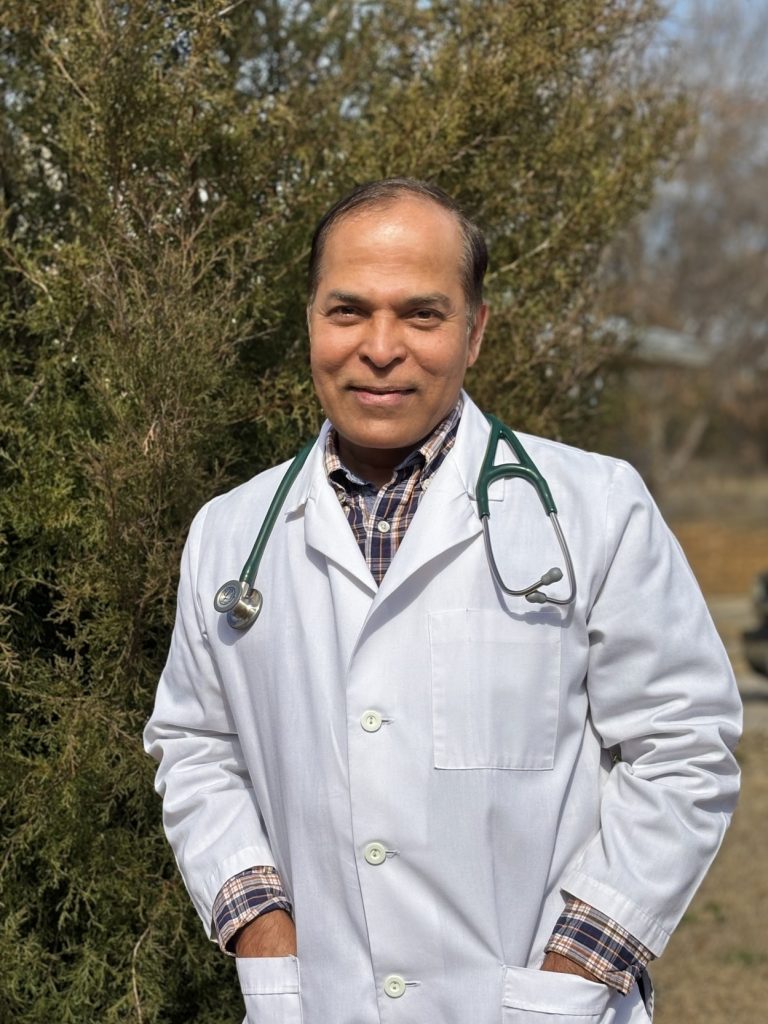
Meet Dr. Mathew Thomas
Dr. Mathew Thomas is a licensed veterinarian with a wealth of over 30 years of extensive veterinary clinical experience in small animal and large animal medicine and surgery. He graduated from a reputed Veterinary school in India and received his DVM from Iowa State University, USA.
He has been practicing general medicine, dentistry and performing surgeries on pets in the Dallas/Fort Worth Metroplex for the past 15 years. He practiced small animal Emergency and Critical care medicine in reputed Emergency Hospitals for 10 years and he still loves to practice the Emergency and Critical Care medicine and perform Emergency Surgeries at Cornerstone Animal Hospital.
Dr. Thomas is an active member of the American Veterinary Medical Association (AVMA), Veterinary Emergency and Critical Care Society (VECCS), and the Tarrant County Veterinary Medical Association (TCVMA). He is very knowledgeable and brings a very progressive and a compassionate approach to pet healthcare. He always strives to keep up with the new developments in Veterinary medicine. He takes great pride in the close bond he shares with his furry patients and their pet parents alike. He has an eye for detail and is incredibly thorough in diagnosing and caring for each patient.
Our 5 Star Ratings from clients
We greatly value the kind words shared by our clients. Their positive experiences reflect our commitment to excellent care. We appreciate their trust and are dedicated to continuing to provide high-quality services to everyone we serve.
Friendly staff and great care for our senior dog.
The staff is amazing, caring and very informative ! I feel, I have found a permanent Veterinary Hospital for my English Bulldog, he loved the staff too ! Oh yeah, the Doctor is great also ! The prices are very fair, you dont feel like you are going to be taken to the cleaners caring for your fur baby, they explain everything up front Ya'll keep up the good work !!
We took our 14 year old cat in because she was not eating and lethargic. The office staff was able to get us in quickly on a Friday afternoon. Stormy was super sweet and helpful. Dr. Thomas was great as were the other office staff. Thankfully, bloodwork came back good so went home with some medication to increase her appetite. We will definitely be back!
My pup has been seen at Cornerstone for about 4+ years now and after many regular visits, and visits that require more attention, this animal hospital has been the most kind! Front desk staff goes above and beyond to make us feel welcome (although my pup has an ungodly amount of anxiety) and are extremely timely right when we arrive. I don’t know what goes on behind the closed doors during the exams and such, but I trust that she is well taken care of back there. Another highlight I must include is pricing. I was 19 and a college student when I adopted my dog with full financial responsibility of her. Cornerstone was the only vet, after days of research, that I was able to afford anesthesia bills when she had a paw procedure done. She a teeth cleaning done more recently and I was expecting bills to be a lot higher due to the economy, yet it was still absolutely affordable for the whole process. Thanks Cornerstone!
I will not take my dog anywhere else. They treat him as it there own pet. Everyone is very professional.
Join Our Team
Click the link below to learn more about our open positions and apply.
This site uses tracking technologies
We and the services embedded in this site — analytics, advertising, booking, maps and translation — collect information about your visit, including your IP address, your browser and the pages you view. Some of that information is shared with those companies. This happens as you browse. Read our Privacy Policy.